Research Articles
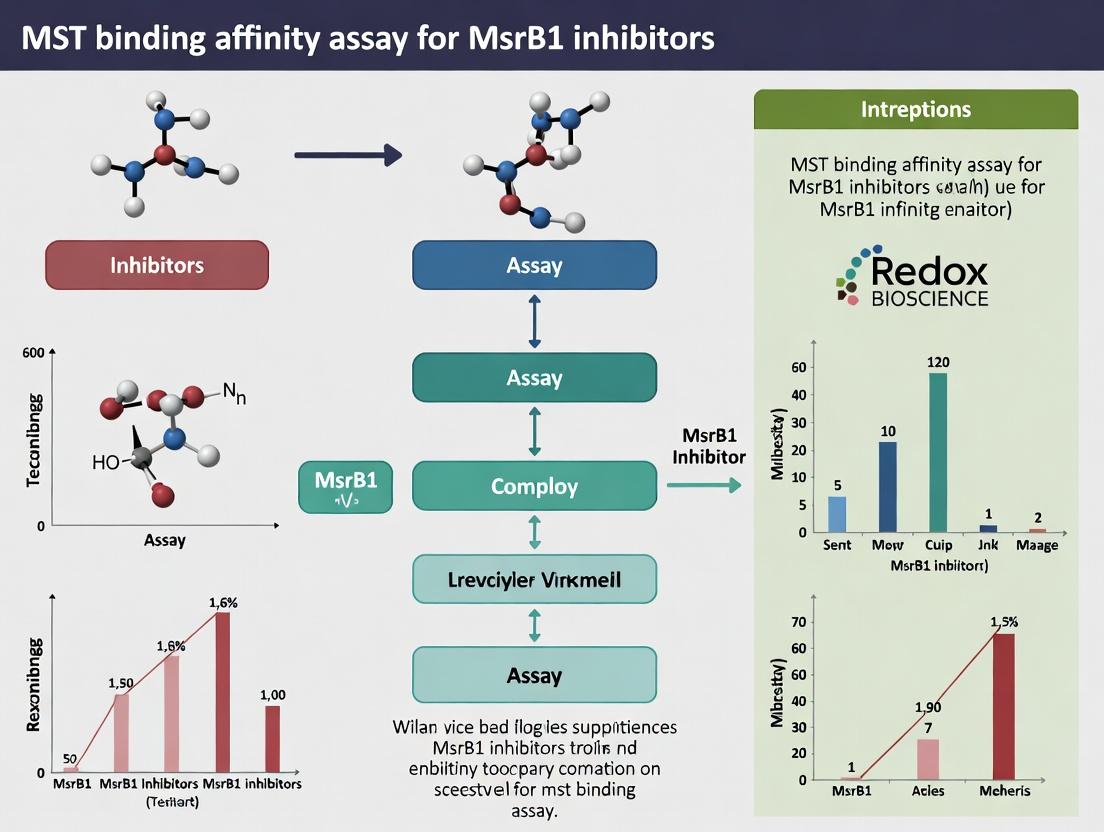
Quantifying Inhibition: A Practical Guide to MicroScale Thermophoresis (MST) Binding Assays for MsrB1 Drug Discovery
This comprehensive guide details the application of MicroScale Thermophoresis (MST) for determining the binding affinity of inhibitors targeting Methionine Sulfoxide Reductase B1 (MsrB1), a promising therapeutic target.
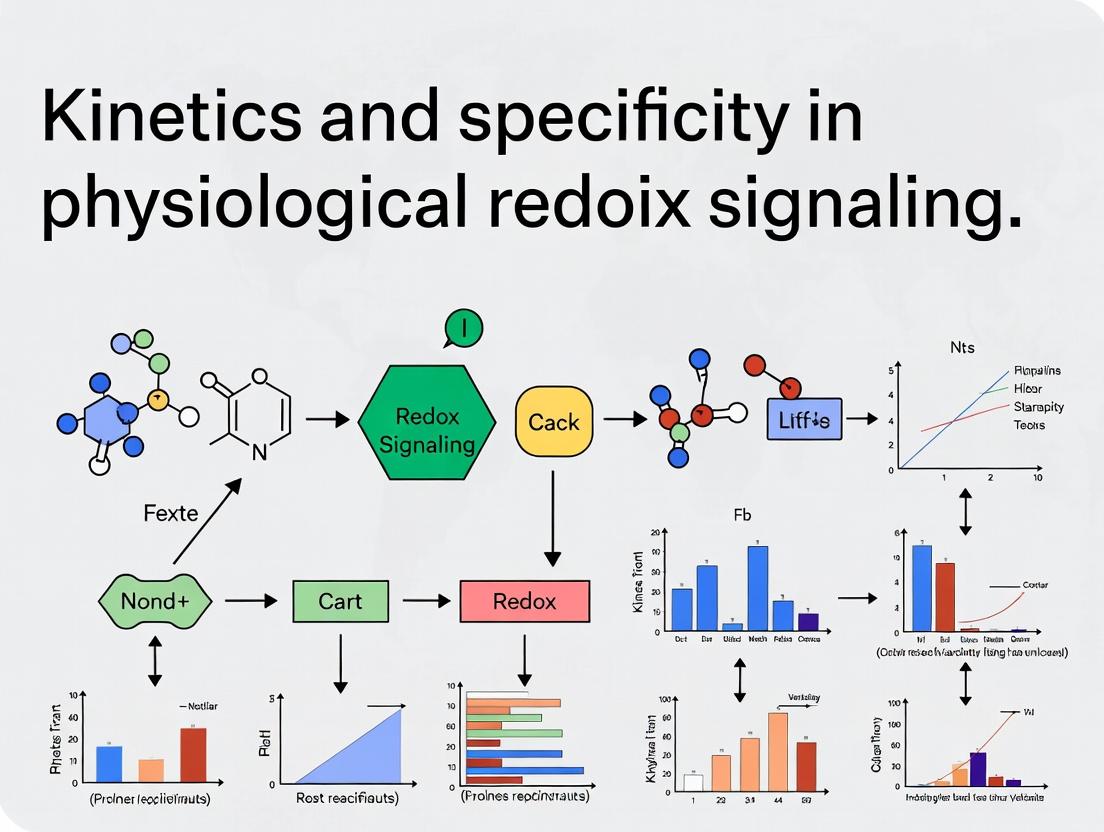
Decoding Redox Signaling: How Kinetics and Specificity Govern Cellular Physiology and Disease Pathways
This article provides a comprehensive exploration of physiological redox signaling, emphasizing the critical roles of reaction kinetics and target specificity.
Jöbsis Method to Near-Infrared Spectroscopy (NIRS): A Comprehensive Guide to Non-Invasive Cerebral Oximetry for Biomedical Research
This article provides researchers, scientists, and drug development professionals with a detailed examination of non-invasive cerebral oxygenation monitoring via near-infrared spectroscopy (NIRS), rooted in the foundational Jöbsis principle.
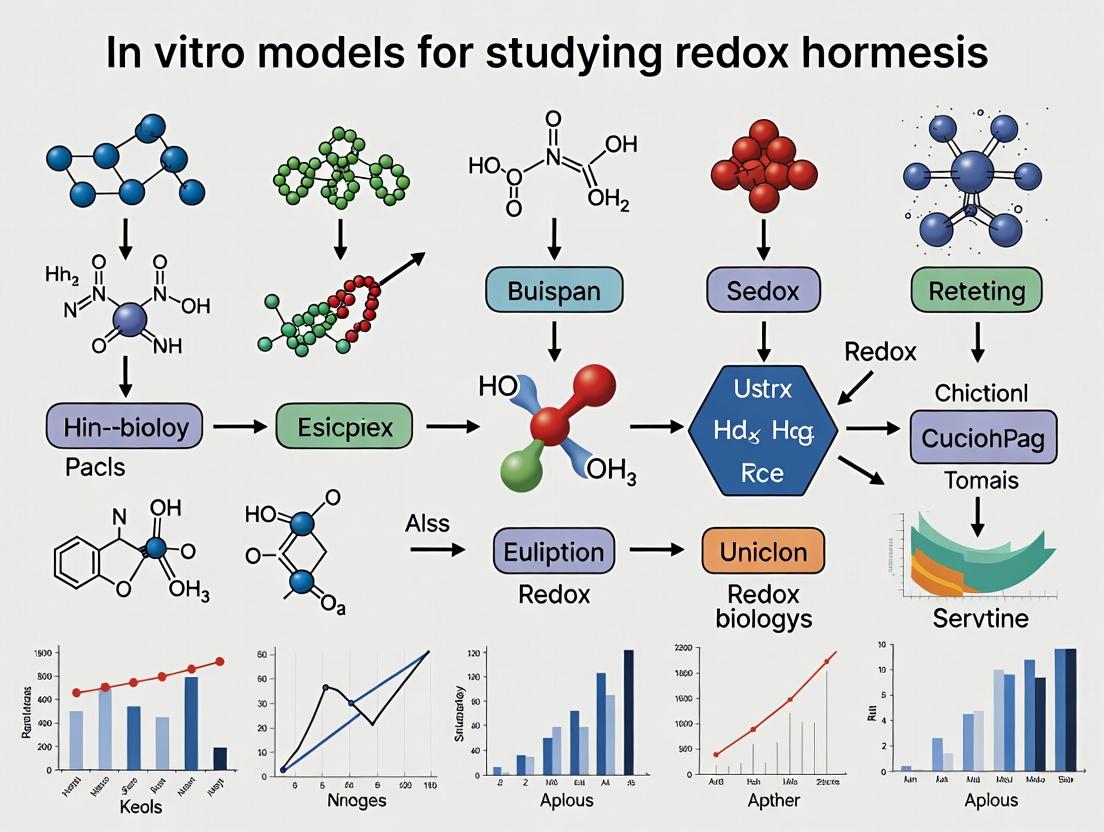
From Theory to Bench: A Guide to In Vitro Models for Redox Hormesis Research
Redox hormesis, the biphasic dose-response phenomenon where low-level oxidative stress induces adaptive cellular protection while high levels cause damage, is a critical concept in aging, disease, and therapeutic development.
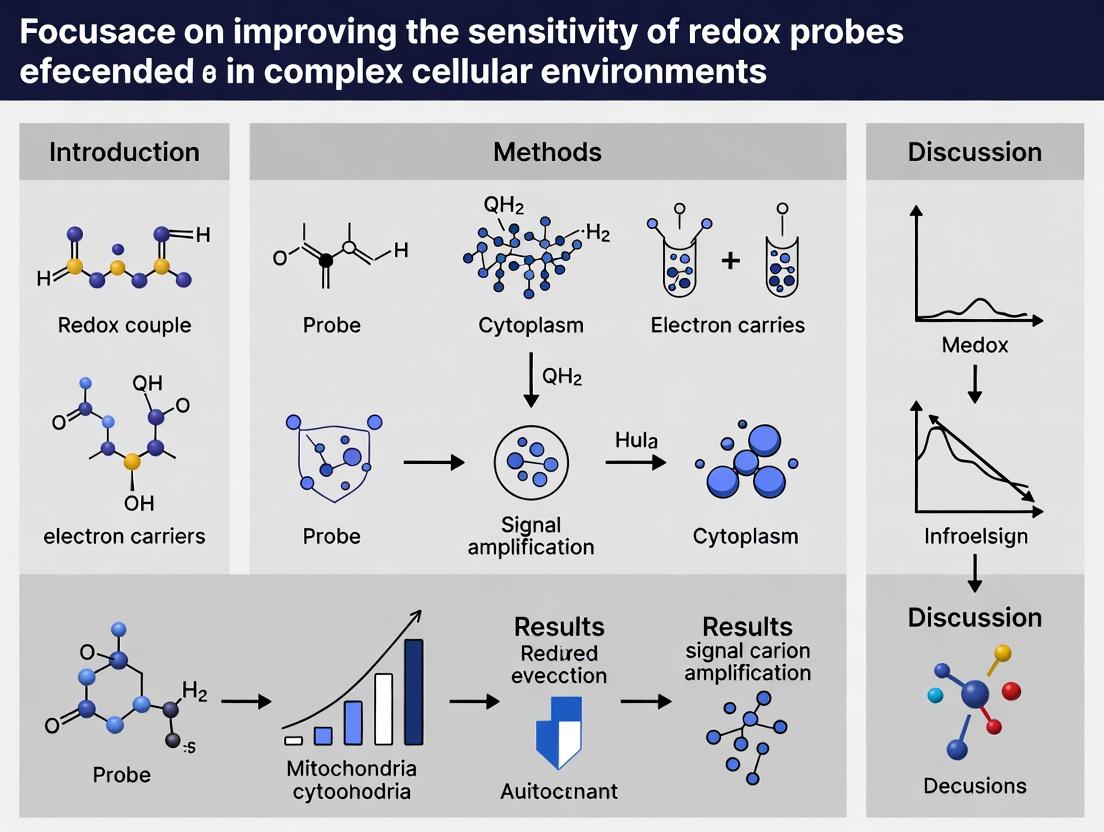
Enhanced Sensitivity Redox Probes: Advanced Strategies for Accurate Detection in Complex Cellular Systems
This article provides a comprehensive guide for researchers and drug development professionals on overcoming the critical challenge of sensitivity loss for redox probes in complex cellular environments.
HyPer vs roGFP-Orp1: Which Genetically Encoded Sensor is Best for Measuring Cellular H2O2 in Research?
This comprehensive guide for biomedical researchers compares two leading genetically encoded sensors for hydrogen peroxide (H2O2): the widely used HyPer family and the newer roGFP-Orp1.
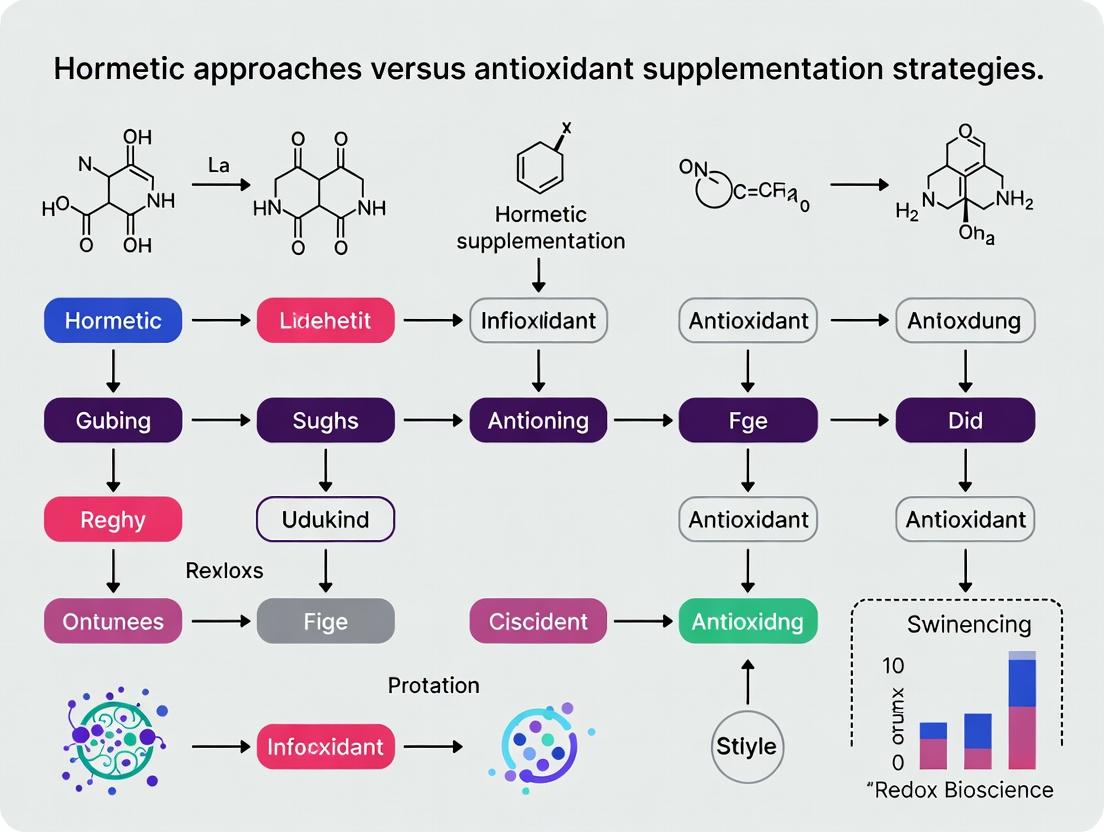
Hormesis vs. Antioxidants: Rethinking Redox Biology for Therapeutic Development
This article critically examines two fundamental yet opposing paradigms in redox biology and therapeutic intervention: hormesis, which leverages low-dose stressors to upregulate endogenous defense systems, and direct antioxidant supplementation, which...
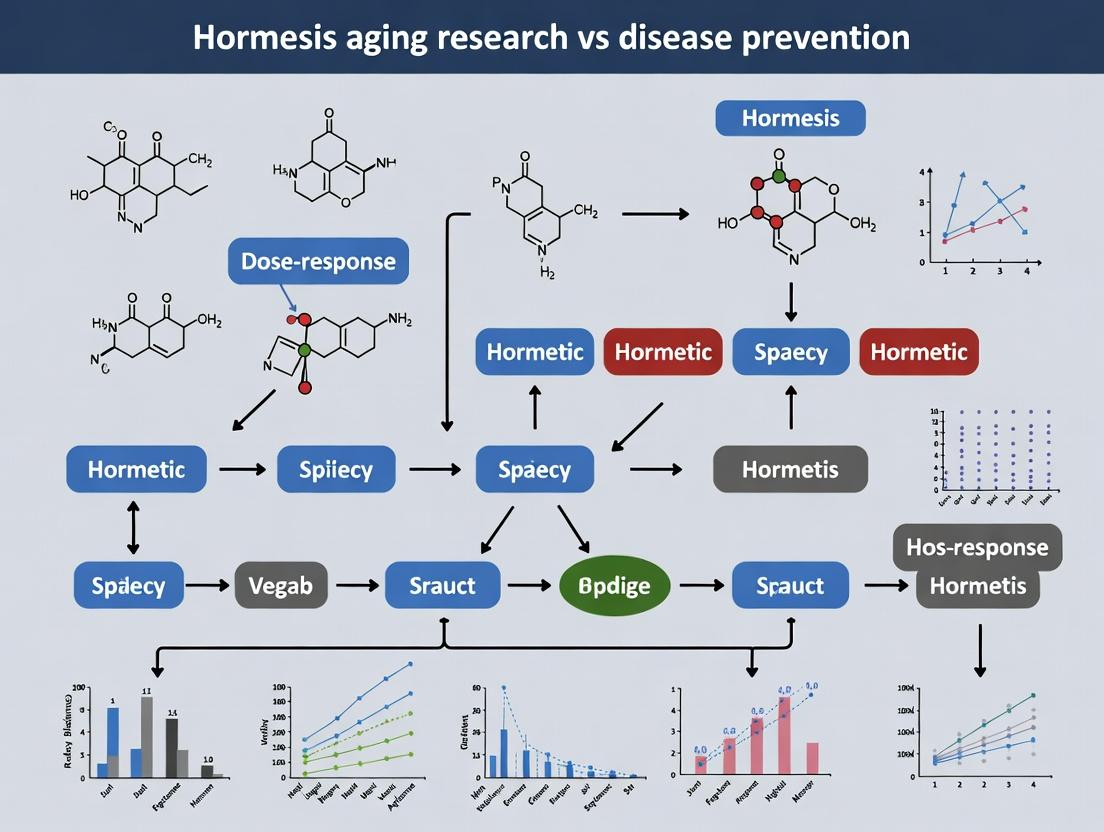
Hormesis in Biomedicine: A Dual Framework for Aging Interventions and Disease Prevention Strategies
This article examines the dual role of hormesis—the adaptive response to mild stressors—in aging research and disease prevention.
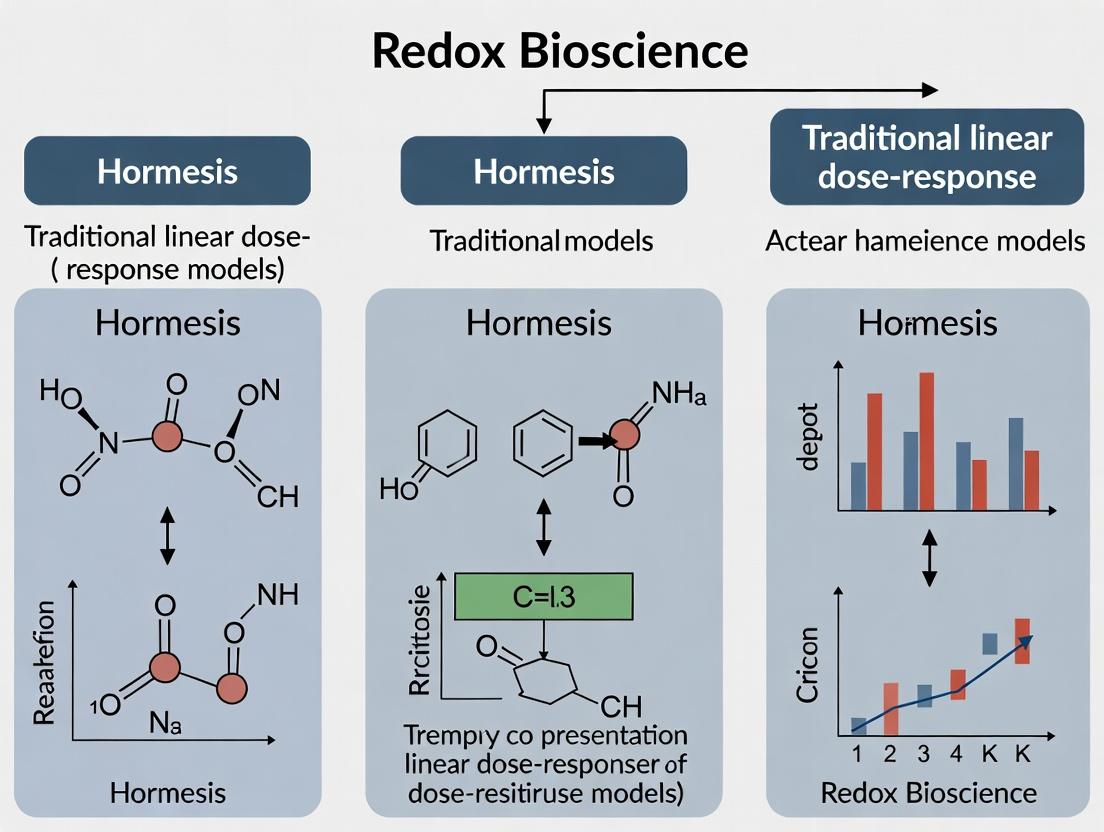
Hormesis vs. Linear Dose-Response: Rethinking Pharmacological Models for Drug Discovery and Precision Medicine
This article provides a comprehensive analysis for researchers and drug development professionals comparing the hormetic biphasic dose-response model with the traditional linear no-threshold (LNT) paradigm.
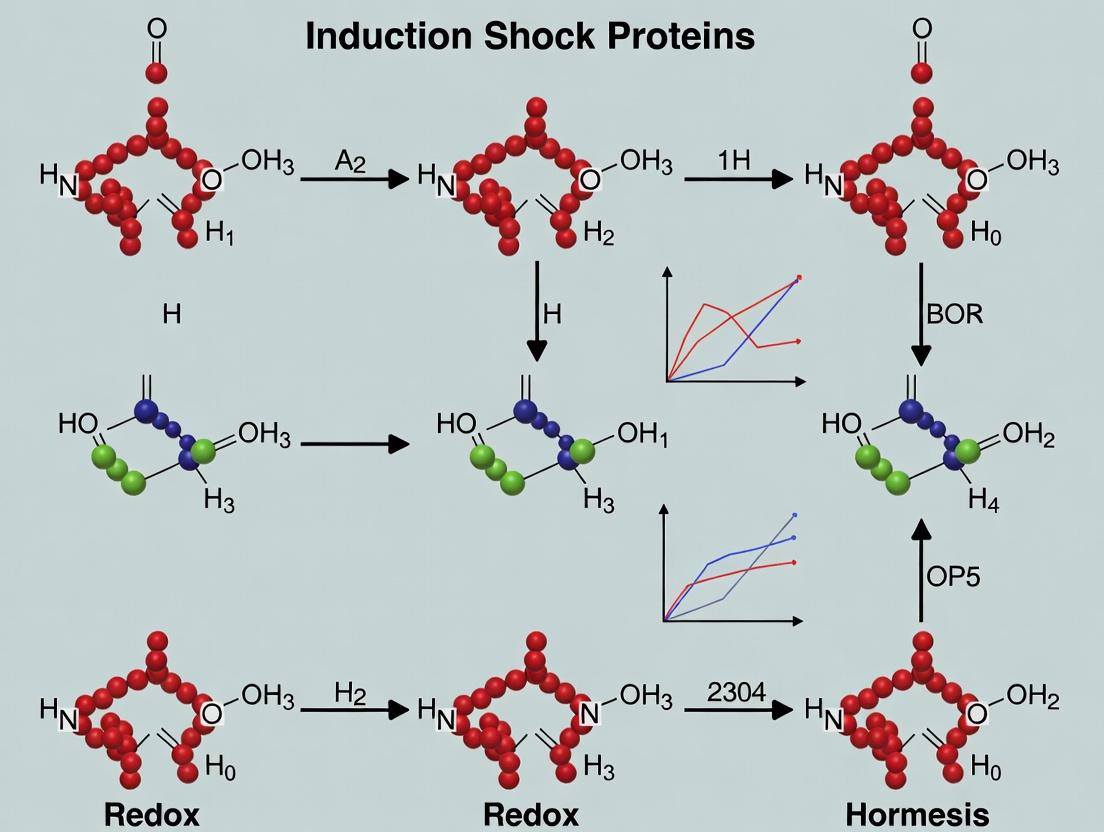
Heat Shock Proteins and Redox Hormesis: Molecular Mechanisms, Therapeutic Induction, and Clinical Applications
This article provides a comprehensive analysis of the induction of heat shock proteins (HSPs) within the framework of redox hormesis—the adaptive response to mild oxidative stress.